
Warrington Hospital helps shape national warning system to spot deterioration in children faster
Published date: Monday 23 November 2026
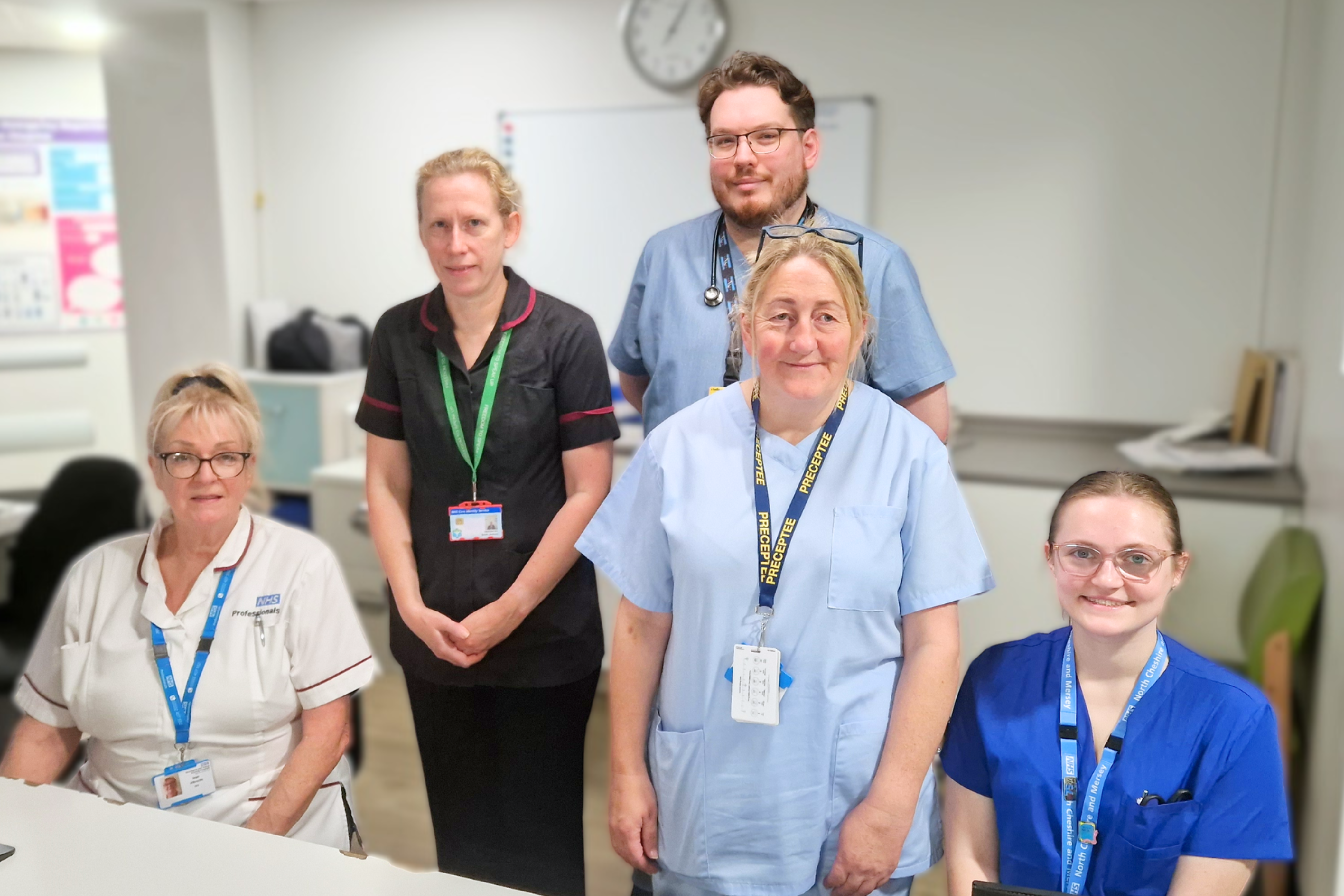
Warrington Hospital has played a key role in helping to shape a new national NHS system designed to quickly identify when babies, children and young people in hospital are becoming more unwell.
The Paediatric Early Warning System (PEWS) will provide NHS staff with a consistent way to monitor a child’s condition and identify signs of deterioration, meaning concerns can be escalated and action taken quickly.
Warrington Hospital was among 15 pilot sites across the country involved in the development of PEWS, helping to test and shape the approach before its wider rollout across the NHS.
The system monitors clinical observations including heart rate, blood pressure, oxygen levels and levels of consciousness, with high scores helping doctors and nurses to identify increasing levels of concern.
Alongside clinical observations, a key part of the system is ensuring that parents and carers are listened to. If a parent or carer believes their child is becoming more unwell than the clinical score indicates, their concern can still trigger an escalation in the child's care, even if the PEWS score is low.
While many hospitals already have similar systems in place, this national approach will help to standardise language used and provide consistency throughout the child’s hospital healthcare journey.
Sarah Jackson, paediatric nurse consultant at North Cheshire and Mersey NHS Foundation Trust, said: “We’re extremely proud that Warrington Hospital has been able to contribute to the development of this important national system.
“Recognising when a child’s condition is getting worse and responding quickly is incredibly important and having a consistent approach gives our teams a common language for recognising deterioration and escalating concerns.
“Importantly, the system also recognises the vital role of parents and carers, complementing systems like Martha’s Rule and Call for Concern which we already have in place. Parents know their children best and their concerns are an important part of understanding a child’s clinical condition.
“Our involvement in the pilot has given colleagues at Warrington the opportunity to share their experience and help shape an approach which will support the care of children and young people across the NHS.”
Unlike the National Early Warning System used for adults, the paediatric version has 4 different charts covering children at different stages of development including 0 to 11 months, 1 to 4 years, 5 to 12 years, and young people aged 13 and over.
PEWS will support teams with decision making in busy environments, with plans to expand it into other areas including mental health, ambulance and community services.